
social media marketing
Social media marketing (SMM) is a form of digital marketing that uses social media platforms to connect with your audience, build your brand, increase sales, and drive website traffic.
Effectively leveraging social media marketing can significantly enhance your brand’s visibility, engagement, and conversion rates. Here’s a comprehensive guide to help you utilize social media platforms to their fullest potential.
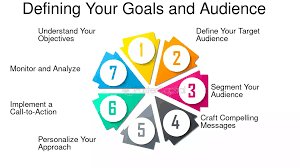
🎯 1. Define Clear Goals and Understand Your Audience
-
Set SMART Goals: Establish Specific, Measurable, Achievable, Relevant, and Time-bound objectives, such as increasing website traffic by 20% in three months or gaining 1,000 new followers in a month.
-
Identify Your Target Audience: Determine who your ideal customers are by analyzing demographics, interests, and online behaviors. This understanding will guide your content creation and platform selection.
- audience need understand : understand need of your audience and targeting immediately and then create a platform social media marketing platform according to your audience need preference.
- clear goal: Clear goals provide direction and measurable success criteria, while understanding your audience helps tailor your message and approach to resonate with them

📱 2. Choose the Right Platforms
Platform Selection: Focus on platforms where your target audience is most active. For instance:
understand your target audience, define your goals, and evaluate the different platforms based on their features and capabilities.
-
Instagram: Ideal for visually appealing content and younger demographics.
-
LinkedIn: Best for B2B marketing and professional audiences
-
Facebook: Suitable for community building and a broad audience reach
- Telegram: make your website link and then send telegram channel and groups
- Whatsapp: send your website link to whatsapp audience and put on status of your web business.


📝 3. Develop Engaging and Valuable Content
To develop engaging and valuable content, you should focus on understanding your audience, defining your purpose, and creating content that is informative, relevant, and visually appealing. Consistency, visual richness
-
Content Variety: Mix different content types such as images, videos, infographics, and articles to keep your audience engaged.
-
Value-Driven Content: Ensure your content provides value, whether through education, entertainment, or inspiration, rather than solely promoting products or services.
-
Storytelling: Use storytelling techniques to make your content more relatable and memorable.


📅 4. Maintain Consistency with a Content Calendar
-
Scheduling: Plan and schedule your posts in advance using tools like Hootsuite or Buffer to maintain a consistent posting frequency.
-
Content Calendar: Create a content calendar outlining what and when to post, aligning with your marketing goals and seasonal trends.
- content strategies: It provides a visual overview of your content strategy, making it easier to maintain a regular flow of posts, stay organized, and ensure your content aligns with your goals.


-
🤝 5. Engage and Interact with Your Audience interact audience: social media marketing
- Engaging and interacting with your audience involves making them active participants in your presentation or activity. It’s about creating a two-way communication where you don’t just deliver information
-
Prompt Responses: Respond to comments, messages, and mentions promptly to foster a sense of community and trust.
-
Interactive Content: Incorporate polls, quizzes, and Q&A sessions to encourage audience participation.
-
User-Generated Content (UGC): Encourage your audience to create content related to your brand, and share it on your platforms to build authenticity.


📈 6. Monitor Performance and Adjust Strategies
-
Analytics Tools: Utilize platform-specific analytics and tools like Google Analytics to track performance metrics such as engagement rates, click-through rates, and conversions.
-
Data-Driven Decisions: Analyze the data to understand what content performs best and adjust your strategies accordingly to optimize results.
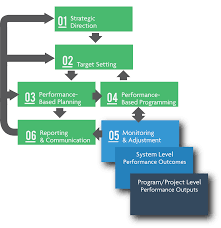
- monitoring performance: Monitoring performance and adjusting strategies involves continuously tracking progress, analyzing data, and making necessary changes to improve outcomes.
- adjust strategies: Regular review and communication of results, along with stakeholder involvement, are crucial for effective monitoring and adjustment.

🤝 7. Collaborate with Influencers and Partners
Collaborating with influencers and partners involves a strategic partnership where brands leverage the reach and credibility of influencers to promote their products or services
-
Influencer Marketing social media marketing : Partner with influencers who align with your brand values and have a strong following within your target audience to expand your reach.
-
Cross-Promotions: Collaborate with complementary brands or businesses for joint campaigns or giveaways to tap into new audiences.


🔄 8. Stay Updated with Trends and Platform Changes social media marketing
-
Trend Monitoring: Keep an eye on emerging trends and viral content to keep your strategy relevant and engaging.
-
Platform Updates: Stay informed about changes in platform algorithms and features to adapt your content strategy accordingly.